Best Practices
1. Orientation to Professional courses
2. Social service & through Fee Exemption
1. Orientation to Professional courses
Goal:
• To introduce the students to the world of work and acquaint with various professions available.
• To orient the students for future profession best suited to their aptitude.
• To help the students to have proper choice of their career.
• To develop the quality of professionalism.
• To realize the importance of Skill development.
• To acquaint the students with various professions available for their pursuance, suitable and potentialities
The Context:
The challenges are to be redressed in designing and implementing this practice is as follows:
• To find efficient guidance and counselling professionals.
• Explaining the concept of the practice and its advantages to students.
• Motivating the students to participate in such practice.
• Proper time slot allotted in between serious academic schedule.
• Encouraging students to do better quality work within the timeframe.
The Practice:
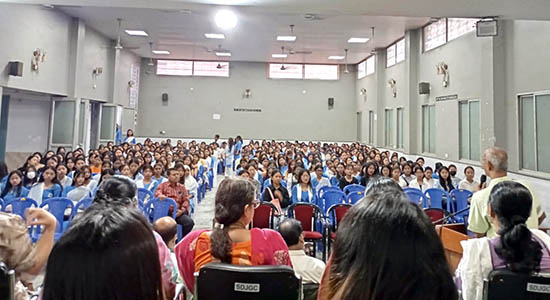
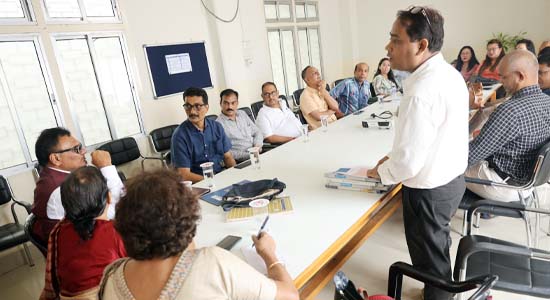
• Orientation to Professional courses has become an incorporating part in the teaching learning exercise at the college for which time has been specified in advance.
• Through notice board and circulars students are informed to avail the facility of such activities.
• Normally such programs are conducted, either at the beginning of the academic session or before the end of the session.
• Students are selected from the final semesters just to use this knowledge to their advantages.
• Different professionals and counselors are contacted in advance and scheduled the program.
• Each program is well supported by LCD projector, audio system and other electronic devices.
Evidence of Success:
Due to such initiative many students who are in the crossroads of their life wondering about the future got proper direction about the career options available in different fields and take a better choice. Many students are absorbed in aviation section, hospitability sector, banking and securities, defense and much more across the country.
Problems Encountered and Resources Required:
• Initially motivating the students to participate in such program.
• Continuous monitoring of the students till the fulfillment of the objective.
• It is very difficult to get feedbacks from the students after completion of their academic courses. Despite creation of the alumni association, WhatsApp, group and Facebook page, students least bothered to respond back either about their current courses or their professional status. On the top of that the contact numbers of the students in our database does not remain operational once the student exits from the institution.
The resources required are:
• Reasonable expenses of money,
• Time and manpower.
2. Social service through Fee Exemption
Guided by the spiritual teachings of Ahimsa and peaceful coexistence, our college operates on the principles of charity, accessibility, and quality. To promote excellence and inclusivity, the management has established a comprehensive Fee Exemption Policy categorized into three tiers:
• Full Exemption: This is awarded to NBSE Rank holders of the current session and students from economically disadvantaged backgrounds (as approved by the Managing Body). It aims to reward peak performance and ensure education is accessible to all.
• Partial Exemption: To foster a culture of competitiveness, students who secured 80% or above in their NBSE examinations are eligible for a partial reduction in college fees.
• Recurrent Exemption: To encourage consistency, these scholarships are renewable. Eligible students must maintain a minimum of 80% marks in each succeeding semester to continue receiving their exemption.
These schemes apply to all B.A. and B.Com programs, ensuring that merit and sincerity are nurtured throughout the academic journey.
Goal:
• To facilitate access to higher education for poor and needy.
• To understand the value of charity and service.
• To development the quality of humility, magnanimity, altruism, empathy and fellow feeling among the students.
The Context:
The challenges in to be redressed in designing and implementing this practice is as follows.
• Explaining the concept of the scholarship and its positive aspects.
• To balance the financial burden to the college.
• Authentication of the genuine beneficiary.
The Practice:
• At the time of admission, through admission broacher students are appraised about this provision.
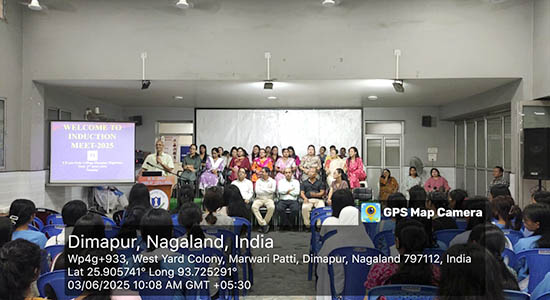
• In beginning of the semester, during the induction meet, the students were appraised about such provisions.
• Through notice board and circulars students are informed.
• Students in collaboration with the administration and the teachers work out the detail program and the Standard Operational Procedure.